
Roblox & Discord: The Predator Is in Your Child’s Bedroom
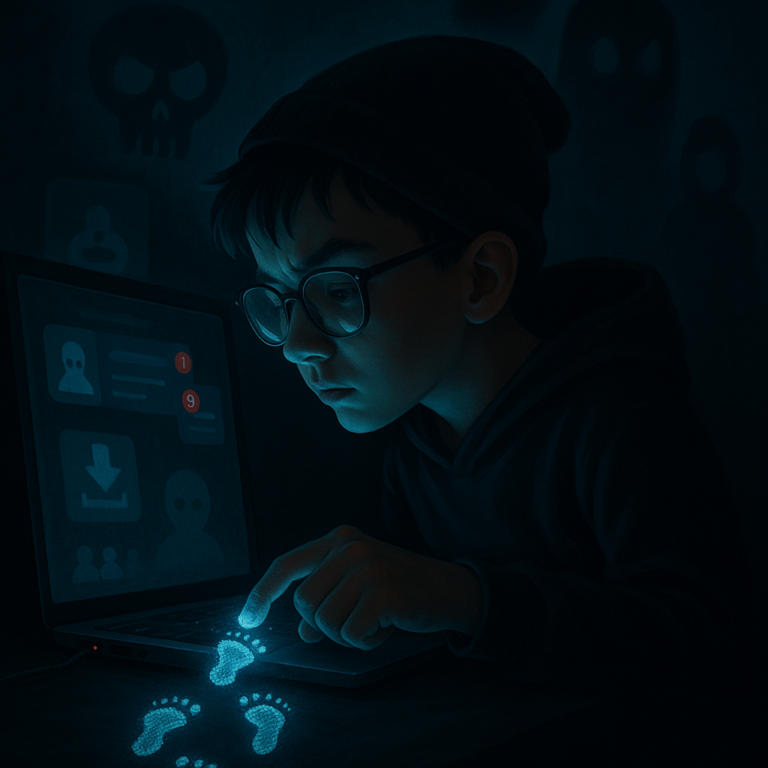
It’s 9 PM. Your child’s bedroom door is closed. The screen glows inside. You think they’re playing with classmates on Roblox, or chatting with friends on Discord. Maybe. Or maybe not.
According to the NSPCC (National Society for the Prevention of Cruelty to Children), online gaming platforms have overtaken social media as the primary first point of contact between predators and children. Between 2020 and 2023, the Internet Watch Foundation recorded a 300% increase in gaming-related child abuse material referrals. This is no longer a fringe phenomenon.
Online grooming: an invisible but methodical process
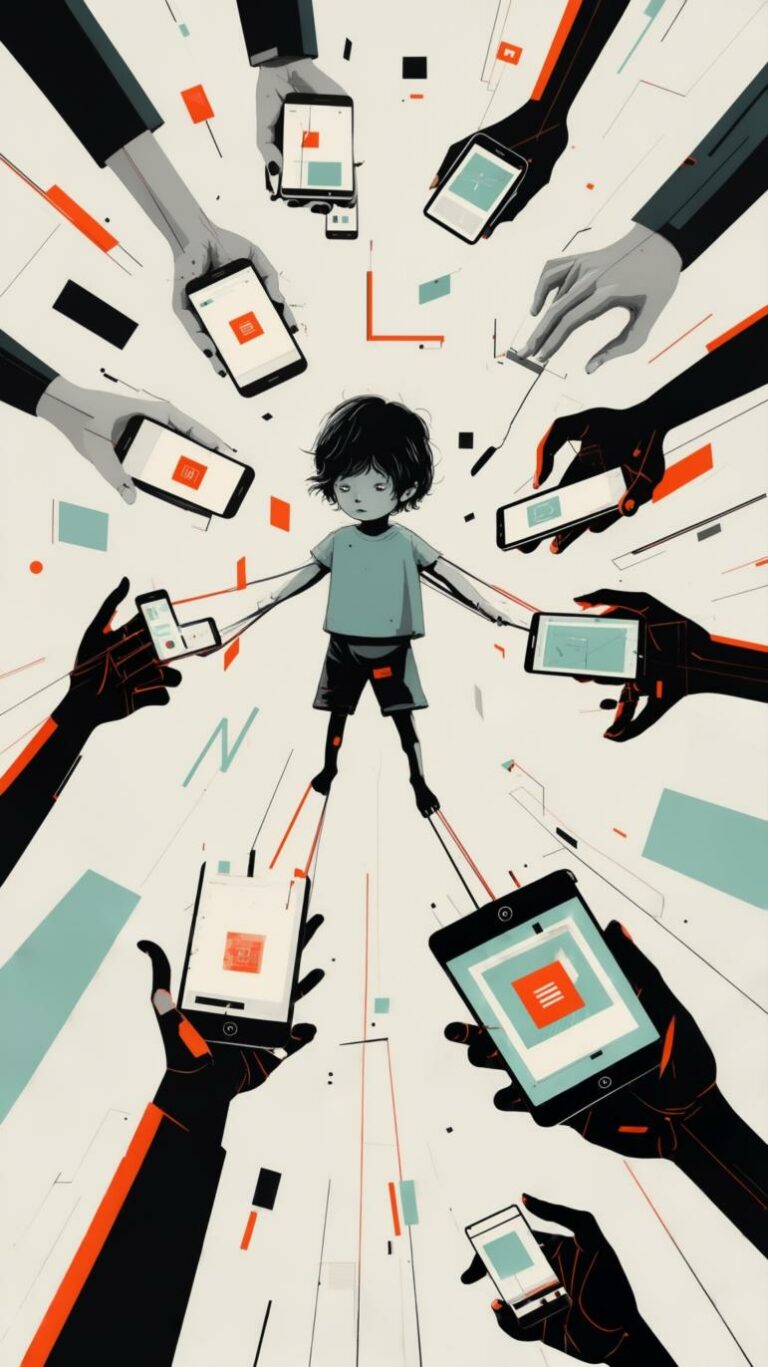
Grooming is not an impulsive act — it is a calculated, progressive manipulation that can unfold over weeks or months. The National Center for Missing & Exploited Children (NCMEC) estimates that the conditioning phase lasts between 3 weeks and 6 months on average before any harmful act occurs.
Here is how it typically unfolds on Roblox and Discord:
Phase 1 — The lure
The predator identifies a child who seems isolated, generous in interactions, or starved of attention. They offer in-game help, virtual gifts (Robux, skins, Discord Nitro), and build the illusion of a genuine friendship. Nothing seems suspicious — they appear to be just another player.
Phase 2 — Building trust
Over weeks, the relationship deepens. The predator becomes the child’s “best online friend.” They show interest in the child’s life, problems, and family. They then suggest moving the conversation to a private channel — Discord DMs, WhatsApp — outside the game’s moderation.
Phase 3 — Isolation and manipulation
The child is gradually cut off from real-life friends. The predator asks to keep their relationship secret, makes excuses (“others wouldn’t understand”), and begins testing limits with personal questions or inappropriate content.
Why Roblox and Discord are particularly vulnerable platforms
Roblox has over 70 million daily active users, 67% of whom are under 16 (Roblox Corporation, 2023). The platform allows real-time messaging with strangers by default. Discord, used by millions of teenagers to coordinate in games, enables the creation of private servers with virtually no moderation for direct conversations.
According to Internet Matters UK (2024), 40% of children have accepted a friend request from a stranger on a gaming platform. And 93% of those who experienced online abuse never told a parent (NSPCC, 2023).
5 concrete steps parents can take this week
- Enable privacy settings now — On Roblox: disable messages from strangers in account settings. On Discord: block DMs from non-friends.
- Talk about the virtual gift rule — Explain that any adult giving free Robux, Nitro, or skins to a stranger wants something in return. This is not normal behaviour.
- Create a digital open-door rule — Children can play online, but devices stay in shared family spaces.
- Check the online friends list regularly — Ask your child to introduce their online friends as they would real ones. Someone they can’t describe is a red flag.
- Use a digital education tool — Platforms like Cyber Sqool offer interactive modules that teach children to recognise and report these behaviours before it’s too late.
Protecting your child online goes far beyond parental control software. It starts with conversation, trust, and education.