
Why Parental Control Apps Are Not Enough
Google Family Link, Qustodio, Bark, iOS Parental Controls — parental control apps are booming. The global market for these tools reached 1.7 billion dollars in 2024 (Grand View Research). Millions of parents use them believing they protect their children. But digital safety experts agree: these apps are not enough. Here is why, and what to do alongside them.
What parental control apps actually do well
Before outlining their limits, let’s recognise their genuine contributions:
- Content filtering: blocking pornographic, violent, or gambling sites — effective for children aged 6 to 11
- Screen time management: limiting excessive YouTube or TikTok use to 2 hours a day
- Geolocation: knowing where a child is — useful for physical safety
- Activity reports: summaries of apps used and time spent
What apps cannot do
1. They do not protect private conversations
Parental control apps do not read private messages on WhatsApp, Instagram, Discord or Snapchat — rightly, as that would be a privacy violation. Yet it is precisely in these spaces that grooming, cyberbullying and manipulation occur.
2. They do not detect subtle cyberbullying
A child can be excluded, mocked or isolated via a screenshot shared in a group without them, or through coded emojis only peers understand. No app detects these social dynamics.
3. They create false security
According to Internet Matters UK (2023), 71% of parents using parental control tools say they do not “regularly talk about online safety” with their children, precisely because they believe the app handles it. This is exactly the opposite of what is needed.
4. Teenagers bypass them easily
Brigham Young University research (2022) found that 70% of teenagers aged 12-17 know at least one method to bypass parental control software (VPN, secondary account, a friend’s device).
What actually works: the complementary approach
- Regular conversations — Weekly discussions (not interrogations) about what the child does online, who they interact with, what they see.
- Co-browsing — Exploring the internet together, commenting on what you see, asking questions.
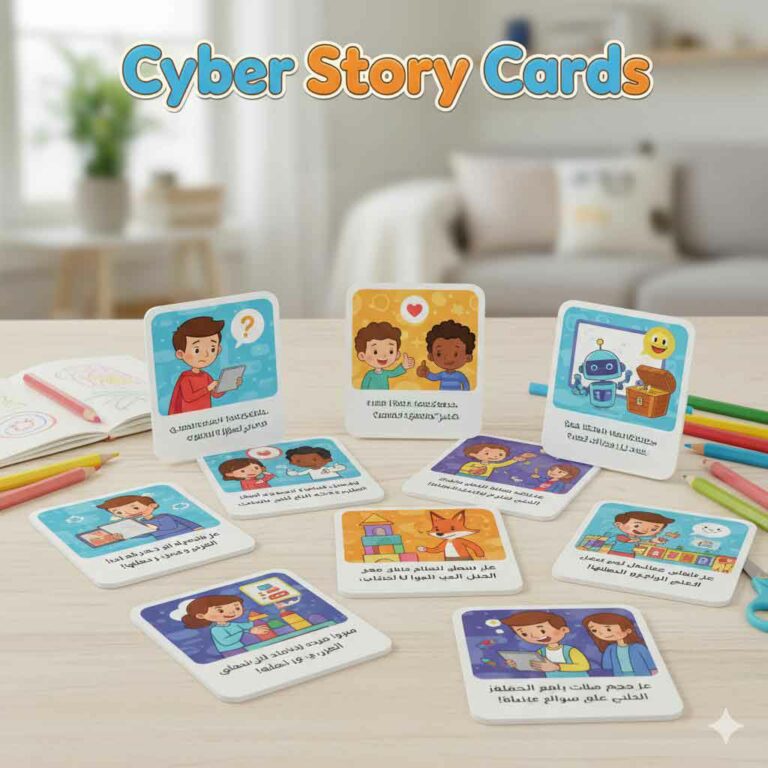
- Structured digital education — Programmes like Cyber Sqool teach children to make informed online decisions, not just obey externally imposed rules.
- Family digital agreement — A document co-created with the child listing rules, consequences, and rights. More respected than a rule imposed from above.
- The trust environment — The best safety net is a child who knows they can come to you without fear of punishment.
Technology protects bodies — education protects minds. Both are necessary.