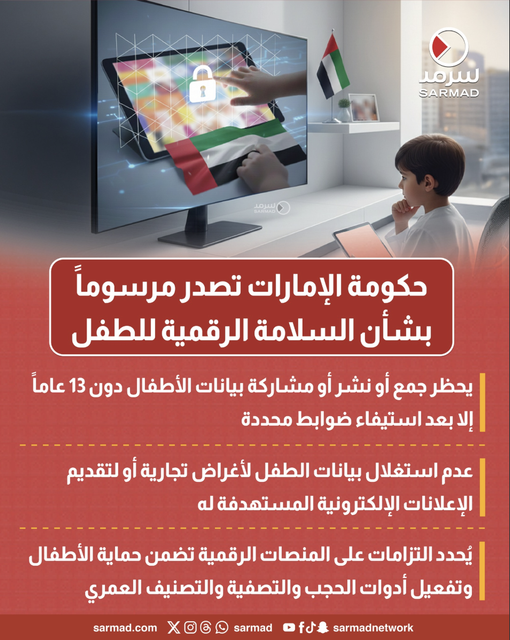
Fines up to 1 million MAD — New law on children’s digital security in the Emirates
The United Arab Emirates adopted one of the world’s most comprehensive cyber crime laws in 2012, and since 2021 have specifically strengthened protections against online child exploitation. Understanding this legal framework is useful not only for families living in the UAE, but also for understanding the international standards that are progressively influencing Moroccan and French legislation.
The UAE Federal Cyber Crime Law: key points for families
Federal Law No. 5 of 2012 on Combating IT Crimes, amended in 2021, includes several provisions directly relevant to child protection:
- Article 11: Production, distribution or possession of sexual content involving minors carries a minimum 10-year prison sentence and fines up to 2 million UAE dirhams.
- Article 16: Online cyberbullying, defamation and blackmail are criminalised, with sentences up to 3 years imprisonment.
- Article 21: Any attempt to manipulate or groom a minor via electronic means is a serious criminal offence.
What UAE and expat families need to know
The UAE has also introduced:
- The Child Protection Index: a national child protection assessment system that explicitly includes the digital dimension
- The AMAN platform: an official reporting service for abusive content and behaviours involving minors, managed by the Public Prosecution
- Social media restrictions: the UAE requires platforms operating on its territory to meet stricter minor protection standards than most countries
What this legislation teaches us about child protection
- Deterrence through severity of penalties is not enough — predators often operate from different jurisdictions than their victims
- Reporting is key — laws only work if abuses are reported. Yet the vast majority of cases never are
- Prevention outperforms repression — countries investing in preventive digital education have lower victimisation rates
How Moroccan parents can draw lessons from this model
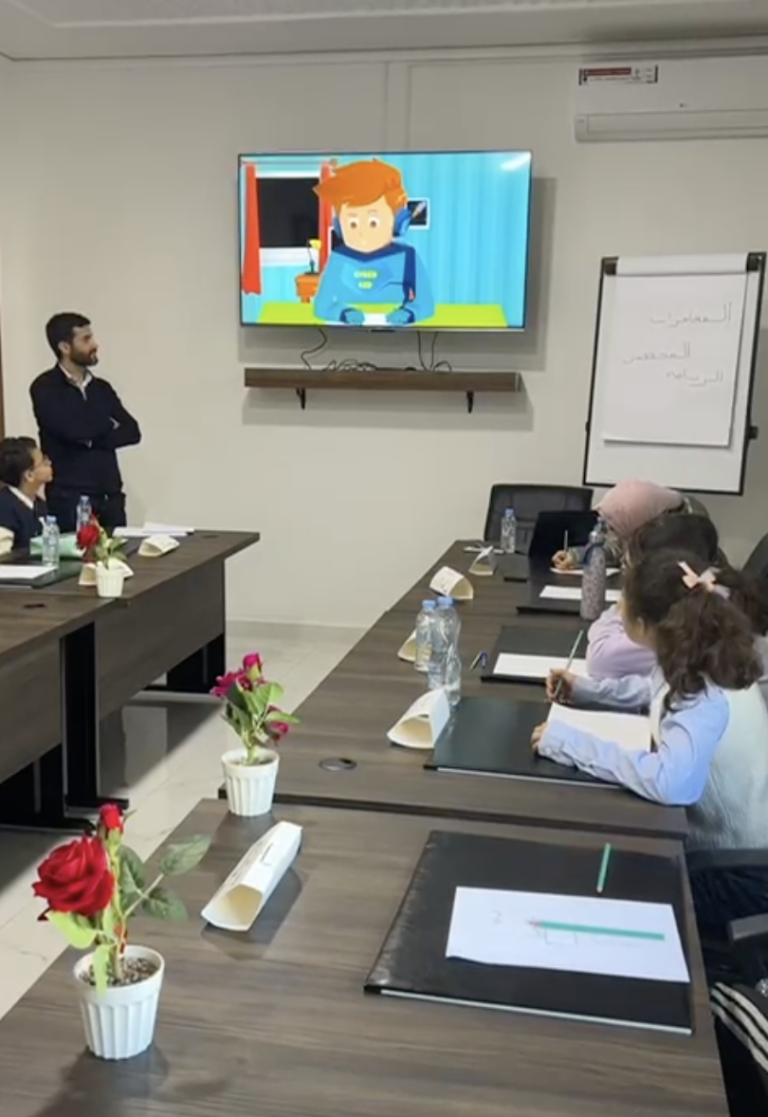
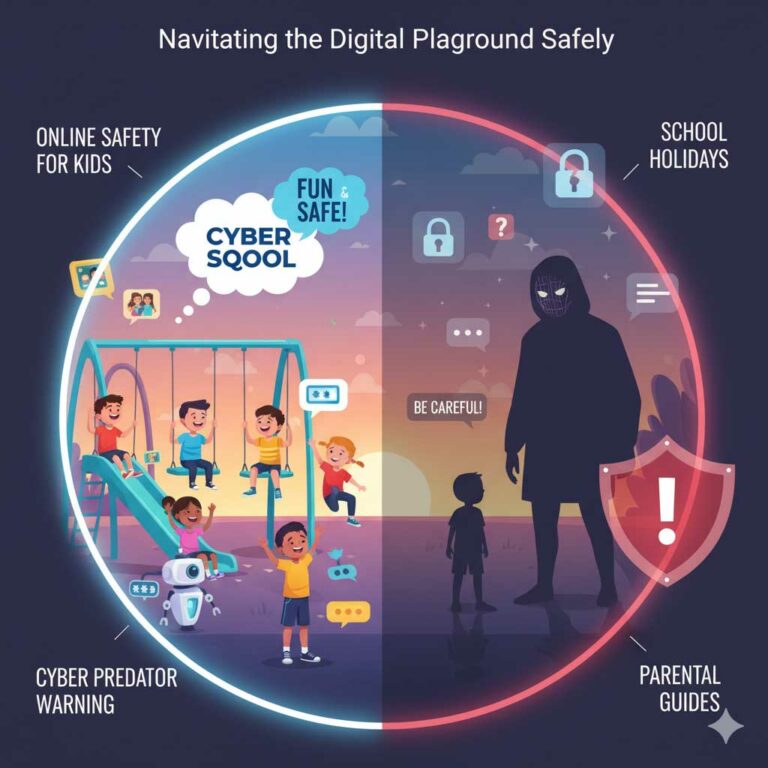
Morocco has the legal framework — the Penal Code criminalises sexual exploitation of minors including online, and Law 09-08 protects personal data. But the protection chain is only as strong as its weakest link: reporting. For legal protections to work, children must know how to recognise abuse, feel safe talking to an adult, and parents must know where and how to report. That is exactly what Cyber Sqool builds: a complete protection chain, from the child’s knowledge to the parent’s action.