FBI Alert: Online Group Targeting Teens with Real Criminal Offers
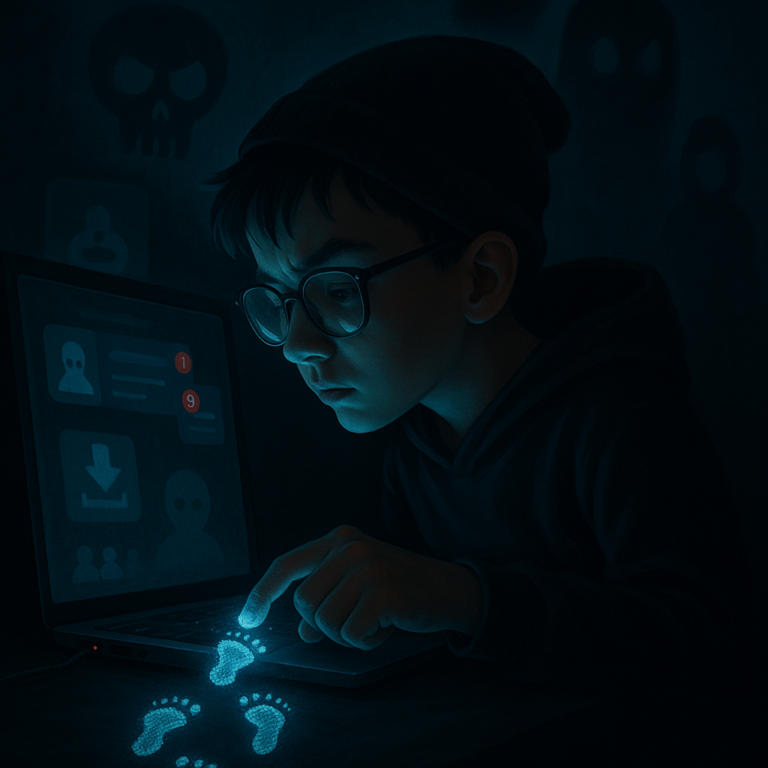
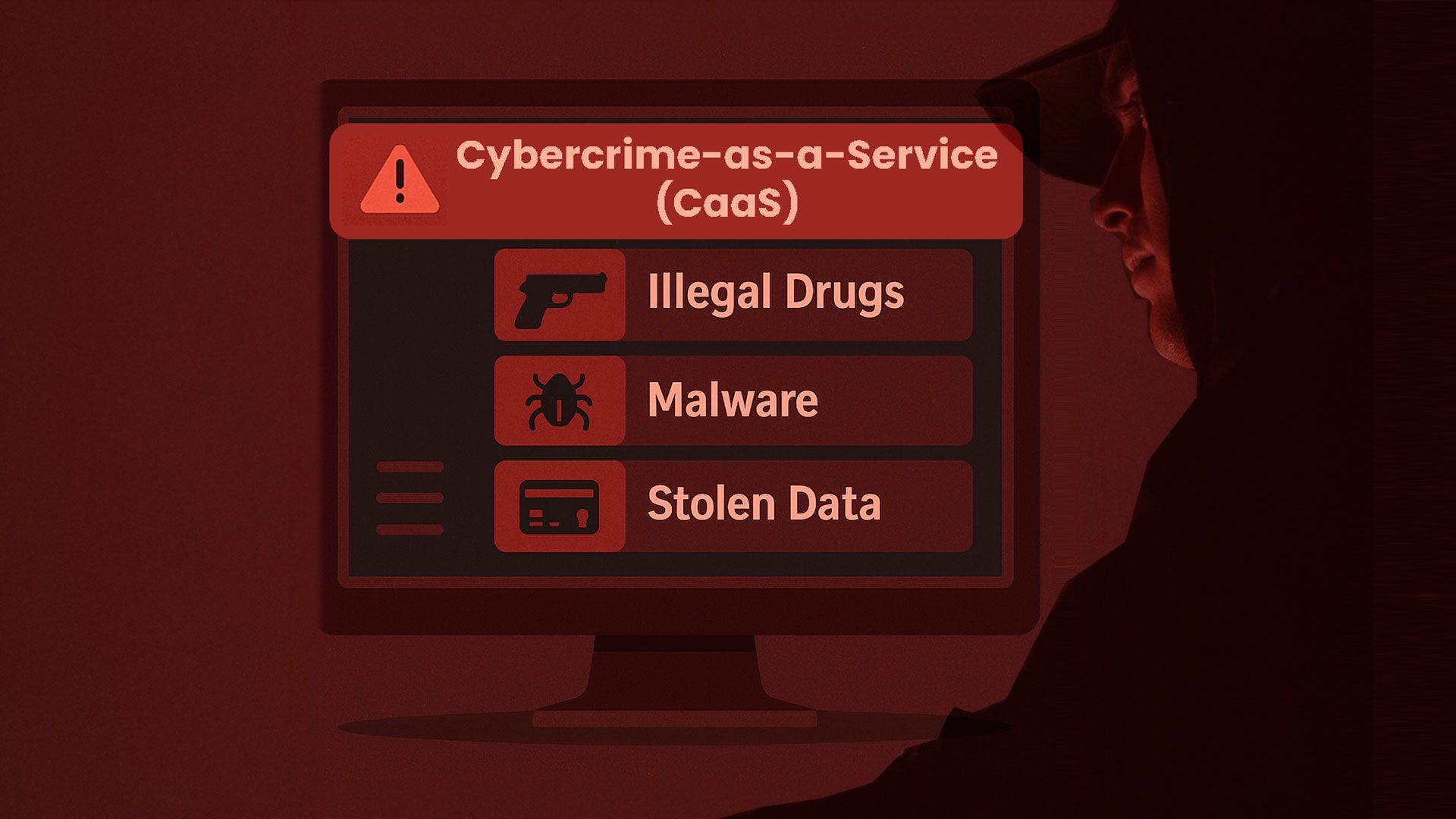
In 2024, the FBI issued a public alert about the proliferation of online groups specifically targeting teenagers to draw them into criminal activities — sexual content extortion, data theft, and even recruitment for money laundering. This is no longer an abstract threat: it is a documented reality affecting families worldwide.
The 2024 FBI alert: what it actually says
The FBI’s Internet Crime Complaint Center (IC3) published an alert in February 2024 about the rise of organised groups exploiting teenagers online. Key activities identified:
- Financial sextortion: an individual obtains an intimate image of a teenager, then extorts money under threat of sharing it. The FBI recorded a 322% increase in such cases between 2021 and 2023.
- Fraud recruitment: groups recruit teenagers as “financial mules” — receiving fraudulent transfers and forwarding them for a commission. Teens often do not realise they are participating in a crime.
- Dangerous viral challenges: organised groups launch social media challenges to push teens into filming themselves taking physical risks or shoplifting.
How these groups recruit
Methods are sophisticated and exploit specific psychological vulnerabilities:
- Flattery and belonging: “You’re smart, we need people like you.” The group offers identity and community.
- The easy money promise: hundreds of euros just to “receive a bank transfer.”
- Gradual escalation: early requests are harmless, then escalate progressively.
- Primary contact platforms: Discord, Telegram, and Instagram DMs are the most frequently used channels according to the FBI.
How to spot the warning signs
Behaviours to watch for in a teenager:
- They suddenly have money they cannot explain
- They are secretive about online activities and close the screen when an adult approaches
- They mention “online friends” they cannot clearly identify
- They talk about “easy work” or “quick money” to earn online
- They seem anxious, troubled, or suddenly change behaviour
What to do if your child is involved
- Do not punish immediately — A teenager caught up in a scam is first and foremost a victim. Shame will push them to hide more.
- Document evidence — Screenshots of messages, usernames, transactions. Delete nothing.
- Contact authorities — In France: Pharos reporting platform. In Morocco: the National Judicial Police Brigade or via DGSSI.
- Alert the bank — If transactions occurred, report them immediately as potentially fraudulent.
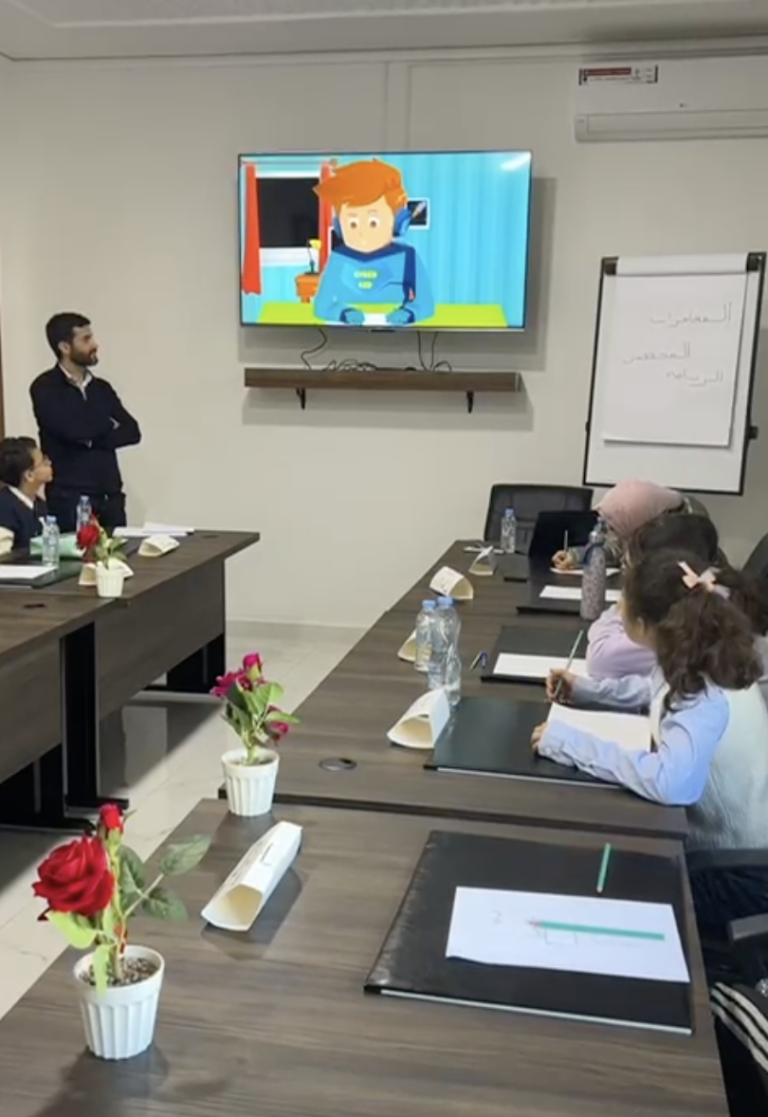
The best prevention is preventive education. Cyber Sqool programmes include specific modules on recognising and reporting these groups, adapted for ages 10-16.